
NBA Pro Stephan Curry Partnering with Nothing But Nets
 Some of you may be familiar with the name Stephen Curry, a point guard for the Golden State Warriors.
Many of you are familiar with the mosquito-borne disease malaria, an entirely preventable and treatable disease, responsible for approximately 627,000 deaths in 2012.
But did you know that the two have something in common? Stephen Curry, the 26-year- old professional NBA player is entering into his 3rd partnered Three for Three challenge. Curry partnered with Nothing But Nets yet again for the 2014-2015 NBA season, vowing to send 3 mosquito bed nets to Africa for every three-pointer he makes.
In his 2012-2013 season Curry scored 272 three-pointers for the Golden State Warriors (or should we say for Nothing But Nets, or, better yet, families in need in Africa?). Those 272 three-pointers put 816 mosquito nets up on the board.
Stephan Curry and The Challenge and How to Get Involved
In the 2013-2014 Curry scored 261 three-pointers, providing 783 nets. Now, for the 2014-2015 season, the Golden State Warriors have taken the challenge one step further. They are going to match Curry’s donations, making it six nets for every three-pointer he scores. Curry is showing us all that it is possible to make a difference every day. We’re all pulling for you, Stephen!

Drug Resistant Malaria
For some time now there has been talk of Drug Resistant Malaria strains that are growing resistant to treatment drugs. This talk has lately been focused on Myanmar, a sovereign state in Southeast Asia.
In Myanmar doctors and scientists are seeing strains of malaria that are growing resistant to artemisinin, the most effective malarial drug that we have developed. Samantha Michaels, of the news magazine Irrawaddy, recently wrote that “today, the wonder drug, known as artemisinin, is taking longer to clear the parasites from the blood of infected people.” It is obviously a frightening trend to see, this resistance to the so-called “wonder drug.” But it would be another thing entirely if the drug completely stopped being effective against the parasite, a fear that has lately been rising.
What Causes Resistance and Drug Resistant Malaria
There are many factors that contribute to a parasite’s resistance to a particular drug. Fake or weak malaria drugs, such as the 30% of the malaria drugs tested globally, as identified by the WorldWide Antimalarial Resistance Network, can lead to resistant malaria strains. Failure to complete full medication regimens is also a leading cause of drug-resistant malaria strains. A recent study conducted by Harvard and Innovations for Poverty Actions (IPA) found this to be a very common trend among patients. Often this is simply because patients forget to stick to the regimen for the entirety of its length, though sometimes they intentionally cease taking the medication when they begin to feel better.
Spontaneous mutations within the parasite itself can often be enough for the parasite to begin to establish resilience to that particular drug. Peter B. Bloland, in his report for the World Health Organization, noted that “over time, resistance becomes established in the population and can be very stable, persisting long after specific drug pressure is removed.” Furthermore, he stated that “antimalarial drug resistance has emerged as one of the greatest challenges facing malaria control today.’
The World Health Organization recognizes these increasing threats. “Fighting the threat of artemisinin resistance requires an urgent and coordinated international response, as well as robust and predictable financing” (WHO).
Visit our recent blog post to see how you can get involved in the effort to end malaria!
Resources:
Easy Ways to Get Involved Ending Malaria Today
 1. Learn the Basics: Learning what exactly malaria is, what areas it effects, the symptoms if causes, and how many lives it steals every year will not only protect you and your family, but also those traveling around the world. Read more about the reality of malaria here.
2. Educate Others: Education is the biggest prevention of malaria. Thousands of people in Africa need to know the small steps they can take to save their life such as mosquito nets, eliminating standing water, and natural protection they can apply to their skin. The problem is, not many have access to this education and are suffering as a result. People living in these countries as well as travelers passing through need to spreading knowledge of healing and protection. Learn all about what attracts mosquitoes and natural protection here.
3. Send a Bed Net or a Bar of Soap: Organizations like Nothing but Nets and Osana are working to provide those in need with the protection they need to save their life. Whether that be anti-mosquito soap, or an anti-mosquito net, these two barriers provide excellent protection and reduce the cases of malaria dramatically.
4. Support Programs: Specifically ones that mobilize and educate communities with locally-tailored health messaging through the creation of volunteer networks. There are numerous solid organizations around that are in the battle to end malaria. Either through financial support, volunteer hours, or simply sharing their message with all that you know can create dramatic world change and make a huge dent in ending malaria.
5. Find Out About Fake Drugs: Counterfeit malaria drugs are a huge issue in the developing world. Do your research before taking any drug, or supporting organizations that administer them. Again, education is one of the biggest prevention tools available.
How to Make Your Own Natural Laundry Detergent
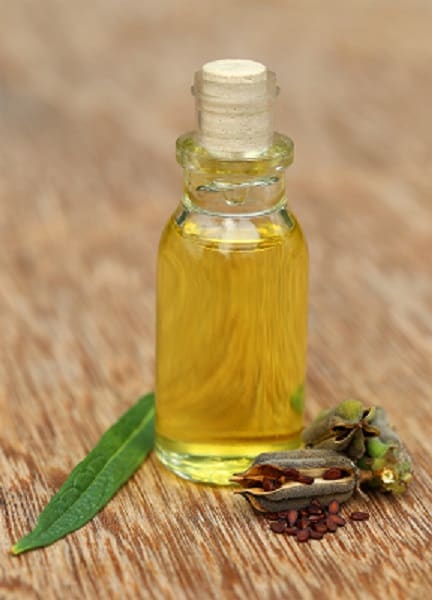 Throughout the last decade the popularity of DIY projects and attitudes has been on the rise. So of course, we had to show you How to Make Your Own Natural Soap! Everyone has his or her own reasons for this interest. For some it is simply the adventure of it, for others it’s the thriftiness, fpr others it might be the process itself, and for others still it is the environmental or health benefits that may be associated with it.
Here’s one that may bridge a couple of those different interest gaps.
Have you ever considered the cost of modern laundry detergent? It’s not just the price tag at the grocery store that turns some potential customers away (though albeit that is enough reason for some), but the ecological cost as well. After all, that spin cycle drains all that dirty detergent water somewhere, doesn’t it? And though there are great eco-conscious options available, some of you might still prefer to do it yourself. We know that most soaps are toxic, so it is great to do this with Osana's all natural soap.
How to Make Your Own Natural Soap
What you’ll need:
- 1 bar of soap
- Water
- 1 cup of Borax
- 1 cup of Washing Soda (aka sodium carbonate)
- A five-gallon bucket
- A pot
- A cheese grater or food processor
- Several smaller jugs or old, clean containers
How To
- It’s a simple process. What you’ll need to do first is grate your bar of soap. You can of course use a bar of Osana soap, but any natural soap* will work just fine! If you’ve got a food processor you can cut the soap into manageable chunks and let the food processor do the work for you (but you’re not going to tone those arms that way!).
- After you’ve grated your bar of soap, add the soap slivers and two quarts of water to your pot. Gradually heat the water and soap, stirring constantly, until the soap is fully dissolved.
- Then, pour 4 ½ gallons of hot tap water into your 5-gallon bucket.
- Add 1 cup of Borax and 1 cup of Washing Soda to your 5-gallon bucket.
- Stir the Borax and Washing Soda until they are completely dissolved.
- Now pour your soap mixture into your 5-gallon bucket and stir it all together
- nicely.
- Cover (either with a proper bucket lid or some nicely sealed plastic wrap) and
- leave overnight.
- The next day, stir the contents of the bucket together one last time and then pour into more manageably sized containers (you’ll be thankful you did this come laundry day!).
Use ½ to 1 cup of homemade detergent per load of laundry (load size and soil lever depending.
Hint: it might be a good idea to use a brand of soap that you’ve used for washing before so as to ensure your skin will not have any reactions to the soap.

Osana Working with CSU College of Business
Osana is an ever evolving organization searching to partner not only with non -profit organizations working to end malaria and poverty but also brilliant business professionals from CSU College of Business searching to solve these global issues with technology, marketing, and their business skill sets.
Business men and woman have been making a huge impact in ending poverty and malaria all around the world. Bill Gates is a perfect example of this. He is using his business mind and skills to create teams of people researching solutions to end malaria for good. Never Settle, the company that acquired Osana, is also using their technology and business skills to radically change the world for the better.
Partnering with CSU College of Business
 This is why we are excited about the partnership we established with Colorado State University. One of our founders as well as our Brand Management lead are alumni from the the CSU College of Business and have maintained some connections that have come to good use in the last two months. A lead professor Bill Shuster approached one of our founders (a former student of his) after he read an article on Osana in the CSU Collegian. One of the classes he teaches is the International Business Management Capstone.
This International Business Management Capstone class gets to work side by side with real companies to solve real problems. Shuster asked if Osana would be interested in participating and sure enough we were honored to be invited. Since then we have 15 students comprised of three teams working beside the Osana team.
The College of Business students are doing strategic analysis and working to find global partners with domestic influence. It's really an open ground for them to work in and we're excited to be partnering with Bill Shuster and his class. Below are the faces of the students who are working to help improve Osana in hopes of impacting the world by the elimination of preventable deaths.
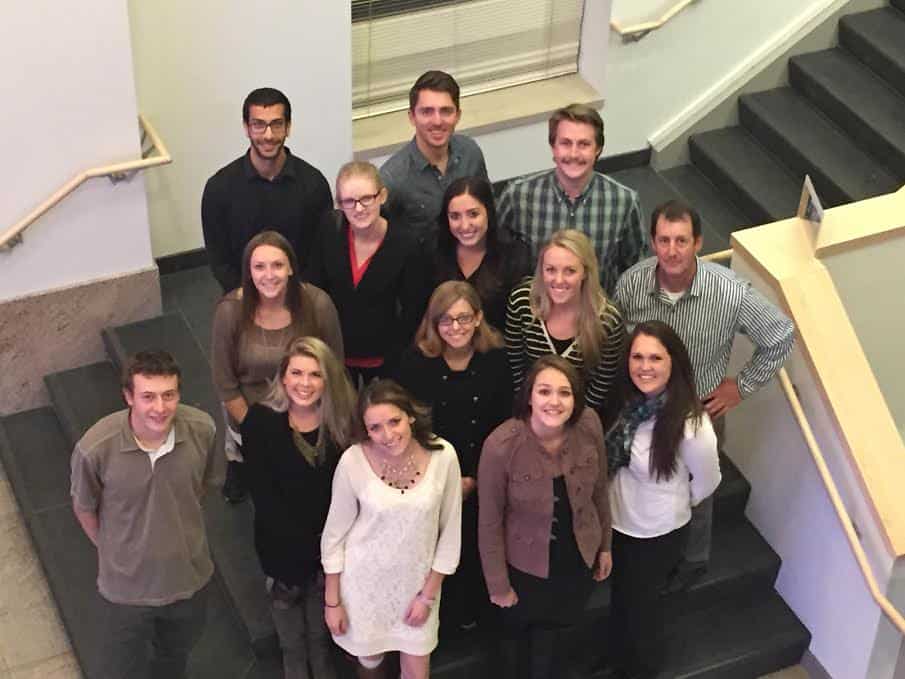
We're excited to see what these great minds produce as they come together and get involved in a world cause along side Osana and our team. We'll keep you posted as things unfold.
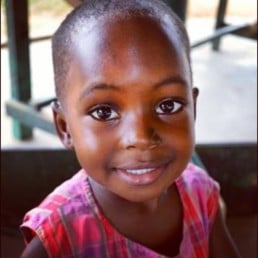
Sending Almost 500 Bars of Mosquito Repellent Soap to Africa
Today we are very excited to announce that we will be sending 497 bars to Ghana and Uganda, Africa this December. Osana's goal is to partner with incredible organizations that are bringing hope, healing, and a homes to people all over the world. Lot2545 and Hour of Grace Orphanage have done just that. They are both working locally to meet the needs of children that are orphans and are facing things like disease, danger on the streets, and lack of basic food, water, and shelter.
Learn more about Hour of Grace and Lot2545 here.
Osana will be used in these two organizations to help prevent malaria in these children as well as provide sanitation support for many that are even lacking a simple bar of soap.
I am only one, but I am one. I cannot do everything, but I can do something. And I will not let what I cannot do interfere with what I can do.
— Edward Everett Hale
A special thank you to Courtney Morrow who will be traveling to Africa this December to deliver the bars as well as serve the people in Ghana and Uganda.
Another special thank you to the incredible group that is traveling to Thailand to serve and teach through the Council on International Educational Exchange. This group of individuals purchased Osana to take with them to Thailand to protect them from the mosquitoes while their donation bars from their purchases are being sent to a whole other part of the world to do the same for others with no access to such protection.
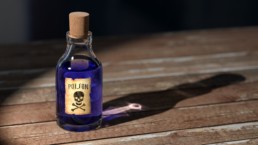
You are what you Eat AND What You Put On Your Skin
Take a second to imagine your daily grooming habits and your skin.
To start the day, you may jump in the shower and lather yourself with shampoo, conditioner, shaving cream, and body scrub. After the washing, lotions and creams are soon to follow.
Now imagine lathering yourself in antifreeze, garage floor cleaners, followed by drinking fluoride, and rubbing on chemicals that completely throw your hormones and your health completely out of whack.
In our world today, the typical American uses over 515 toxic chemicals every single day!
Toxic Chemicals that are illegal to put in food are the main ingredients in almost all mainstream personal care products. The truth is, it is more dangerous to put these ingredients on your skin than it is to physically eat the chemicals.
Anything you put on your skin is directly absorbed into your bloodstream in 26 seconds. It does not go through your liver or kidneys to filter the toxins like food does. Your body has no defense.
Toxic Ingredients Destroying Your Health
Certain ingredients can alter hormonal chemistry in a couple of ways. They can increase circulation of certain hormones by mimicking their activity in the body, or they can reduce the level of sex hormones in the body or block their activity. This can impact fertility, lead to early menopause and influence things like mood, length and severity of the menstrual cycle in women.
Common ingredients such as sodium lauryl sulfate and parabens are known Endocrine Disruptors, which means they are substances that alter your natural hormones.
Some ingredients in body care products may cause estrogen dominance in the body. They do this by mimicking your natural hormones. Endocrine disruptors cause hormonal imbalance. Many fertility problems in women are linked to an overabundance of estrogen in the body, including endometriosis, uterine fibroids, ovarian cysts, PCOS, breast cancer, and irregular menstrual cycles.
Here is a list of the top 6 common toxic soap ingredients to look for today.
As with food, the fewer ingredients in your personal care products the better. Simply switching to natural body care products could dramatically reduce the toxic burden on your body and save your health.
This is why we are so passionate about non-toxic all natural soap. We wanted to provide solutions and protection for an all natural mosquito repellent with no harmful side effects.
References:
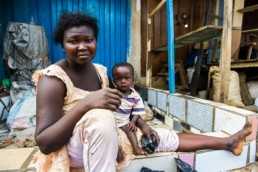
Computer Hackers Working to Stop Malaria
Mosquitoes kill more humans than any other animal in the world. In fact, they kill over one million people in Africa every year, mostly young children. What do computer hackers have to do with this? It is obvious this is a dramatic issue that needs a great amount of attention and research to combat. Luckily, there are big name pioneers out that such as Bill Gates who are funding research initiatives to stop this deadly virus and save millions of lives around the world.
Bill gates is funding research that allows one type of every kind of scientists to come together and brainstorm solutions to end this epidemic. Everyone from professional computer hackers to engineers to chemical scientists. When you put so many brilliant minds together, the possibilities are endless.
Brainstorming for the Future with Computer Hackers
One of the solutions they are currently working on is developing lasers that can be set up around a village or house that will literally zap the mosquitoes before even entering into the area.
They are soon taking this idea into the field and implementing it around the United States first, and hopeful world wide. All of this work is being done at the Intellectuals Ventures Lab in Seattle where the team joins together and tries to take on some of the hardest problems humans have.
Although solutions such as this are still in the beginning stages, it does bring a new hope to solving malaria and saving millions of lives. People are starting to see if we put our brains and resources together, the major problems that are happening in this world can be solved.
Below is a video talking about the amazing and scary possibilities technology has the potential for and also explains this idea of laser protection from mosquitoes starting around minute 13 of the video.
https://www.youtube.com/watch?v=hqKafI7Amd8

How to Make an Impact
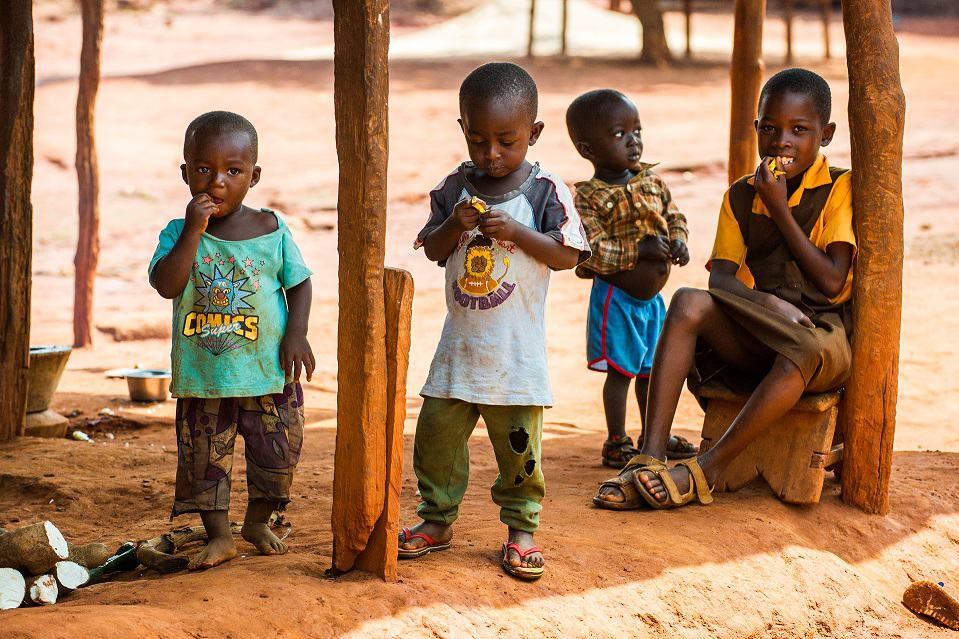 There are times when it’s hard to know how to help. Do you wonder How to Make an Impact? The world is often riddled with crises, and sometimes, sitting at your desk or driving your car thousands of miles away, it’s hard to know what you can do to help. Perhaps you’re at a place in your life where it’s not feasible to quit your job and join the Peace Corps. Maybe finances are too tight to afford a monthly contribution. Or it could be that life got busier – it’s that time of year at work, or sports practices have already begun – and you no longer have free time to donate.
There might also be times when maybe it just doesn’t feel like your contribution matters, like those few dollars a month can’t really be making a very big impact. But they can. They are. Those hours spent helping others can impact lives in ways that you could never imagine.
It’s infinitely important that we reach out and help those in need. It is only through collaborative effort that we can begin to solve some of the problems and crises that we are facing today. Below are 5 opportunities (large and small) that will enable you to be a part of the solution to bring an end to malaria worldwide.
Against Malaria Foundation (AMF):
Are you a professional / hobbyist video editor? AMF could use your help in telling their success stories! Interested in helping AMF in other ways? Contact them directly to find out what other areas of need may match your area of expertise!
Nets For Life:
Nets For Life is working around the clock to distribute mosquito nets throughout problematic areas in Africa. Additionally, they help raise community awareness and mobilization, monitor and evaluate malaria, and help provide access to testing and treatment. They offer 3 avenues for getting involved: Learn, Give, and Act.
Africa Fighting Malaria:
Africa Fighting Malaria is an non-profit health advocacy group with a mission “to make malaria control more transparent, responsive, and effective.” Learn more about how to become an advocate by clicking the link!
One:
One is an international campaigning and advocacy organization that rallies concerned groups, communities, and individuals around the globe around central issues. They are working to address a plethora of issues, and offer a multitude of ways to get involved, ranging from petitions and letters to local events. Malaria No More: Malaria No More works in many ways to rid the world of malaria. From testing and preventative measures to treatments and vaccine development, Malaria No More works to transform your dollar into a solution.
You can also join with Osana and our partners to donate all natural soap to countries suffering with malaria.
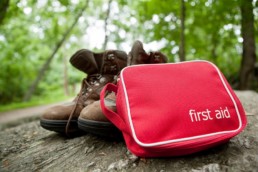
What to Keep in Your First Aide Kit
Ever wonder What to Keep in Your First Aid Kit? Creating a first aide kit for your home or traveling can be extremely useful and life changing when unpredictable times come along. In this kit include the kinds of items you would need for dealing with minor cuts, scrapes, and bruises; first-degree burns, sunburns, and allergic reactions.
What to Keep in Your First Aide Kit
- Band-aids of different shapes and sizes.
- Gauze
- Medical tape for securing bandages.
- Instant hot and cold packs for relief from sprains and bruises. The kind that you shake to start a chemical reaction that produces cold and heat are the best.
- Athletic wrap for wrapping sprained ankles and holding cold or hot packs in place.
- Scissors and tweezers: For removing splinters, and scissors are the best tool for cutting bandages and cutting away clothing from a wound.
- Safety pins in assorted sizes
- Duct tape: Duct tape is useful for making splints, is stiff enough to stabilize slings and won’t lose its adhesive ability if it gets wet.
- Cotton balls and cotton-tipped swabs
- Disposable latex or synthetic gloves, at least two pair
- All natural non toxic soap.
Medicine
- Activated charcoal
- Aloe vera gel: burns and blisters.
- Epsom Salt: Good as a bath soak for sore muscles. Dissolved in water, it can also be a good soak to help remove splinters.
- Apple Cider Vinegar
- Hydrogen Peroxide- for cleaning out wounds, it can help prevent ear infection and shorten duration of respiratory illness. At the first sign of ear infection or illness a dropperful of Hydrogen PEroxide can be put in the ear. The person then leaves the peroxide in for 15 minutes or until it stops bubbling and repeats on the other side.
- Baking Soda Also a good natural remedy to keep on hand. For severe heartburn or urinary tract infections, 1/4 tsp can be taken internally to help alleviate quickly. It can also be made into a poultice and used on spider bites.
- Coconut Oil- keep some in the first aid kit to add remedies to to take internally, to use to apply tinctures and help absorption externally and for dry skin and chapped lips. There is also growing evidence that daily consumption of 1/4 cup or more of coconut oil can help protect against Alzheimer’s and nourish the thyroid.
Items for Emergencies
- Flashlight with backup batteries.
- Road flares for signaling an emergency, especially if you intend to keep your first aid kid in the car.
- Water purification tablets are crucial if you are stranded and do not have access to potable water.
- Blankets: Lightweight, waterproof, and very warm. They are the best protection from the elements in cold weather.
- Candles and matches
Osana FAQs
-
What will I smell like?
-
Will it dry out my skin?
-
How is this different than a normal bar of soap?
-
How long will a bar last?
-
Can I use this on my face?
-
Is Osana safe to use on children?
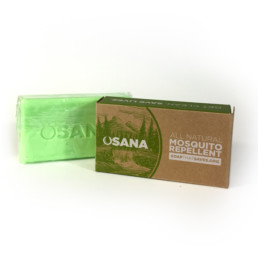
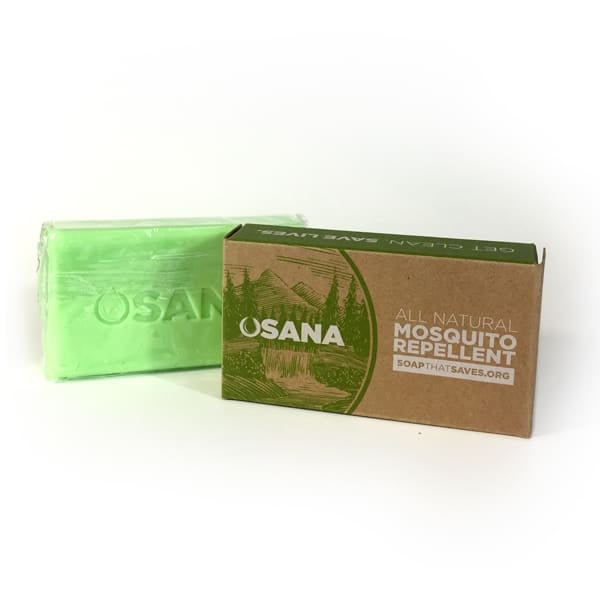
Osana has a very pleasant, mild smell of of lemongrass essential oil.
Osana is full of soothing ingredients that nourish the skin like coconut oil and other essential oils.
Osana can be used in place of a normal bar of soap. It cleanses and deodorizes the body just as a traditional bar of soap.
One person using Osana everyday will usually last 2 months.
Osana is safe for the entire body, however using any type of soap on your face tends to be very drying.
Absolutely! Osana is safe to use on children because all ingredients are all natural, non toxic.

Get to know Lot2545

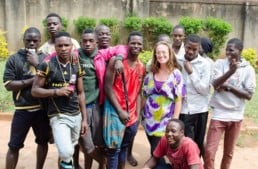
Courtney Morrow is a beautiful volunteer for Lot2545 that travels to Uganda to serve this organization often. She has many stories and experiences as a result of her time with these wonderful street kids. We are so grateful she is willing to share her stories and pictures with us to raise awareness.
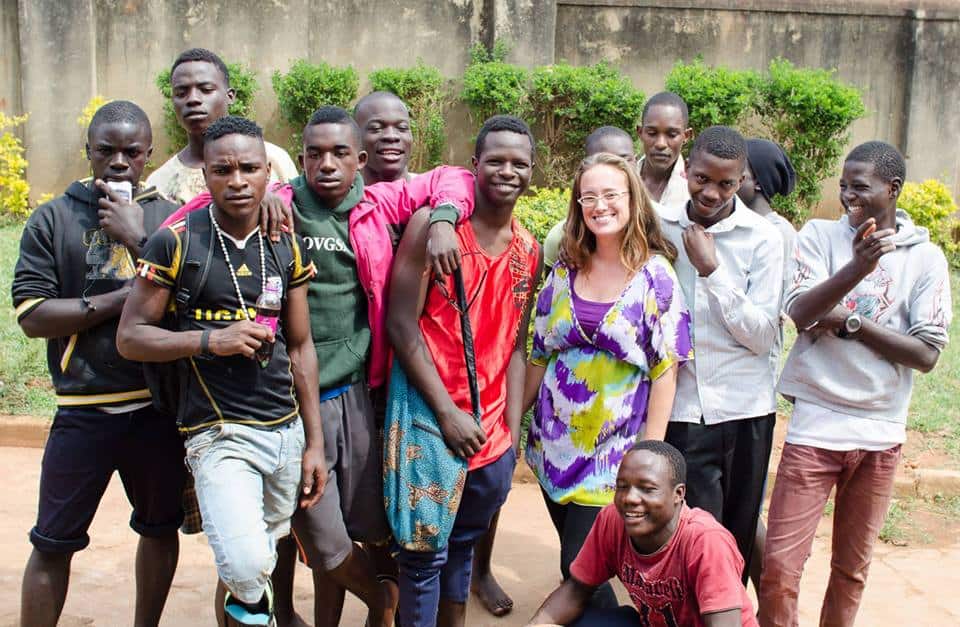 Lot2545 was created by Amanda, an American woman who has taken more than 20 boys off the street into her home. She travels to the slums three times a week to minister to the boys who are still homeless due to abuse or kidnappings and various other reasons.
Boys of Lot2545
Below are some of the boys that Lot2545 has taken in and is currently providing school, food, shelter, and so much more for each one.
Above is David; he's 15 years old. He started living on the streets at the age of 7. In Uganda, it is likely that the few years he lived at home, he didn't receive much love and attention from men in his family. It is unusual to see men spending time with and taking care of their children. That's a mother's job. As long as he went without anyone to love and take care of him, he still finds it in his heart to break that cycle and love on these kids.
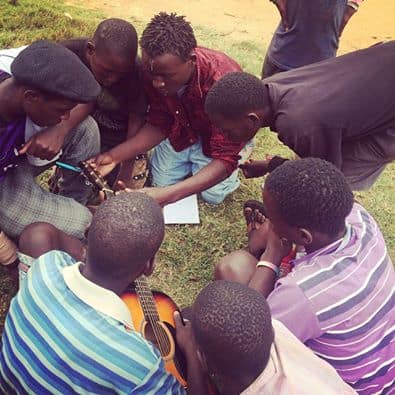 This is Richard; he's 14 years old. He goes back to the slums about three times a week to spend time with kids he might have lived with while on the streets and kids he may never have even met before. He teaches them guitar, plays soccer with the boys, shares The Word with them, helps hand out food. There isn't one moment he looks down on them just because he has a home with a Mzungu (white person) now, and the love he shares is almost unbelievable.
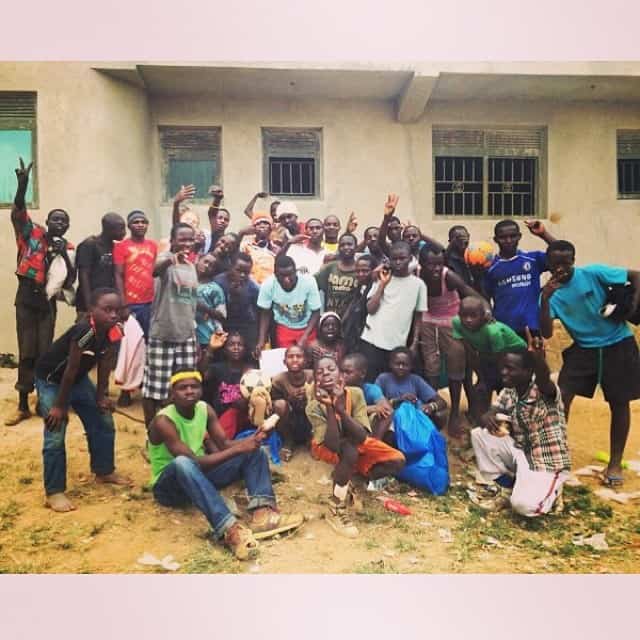 These boys wake up early three times a week. Bathe and wash their clothes (with no soap) in the community drain, leave the drugs behind, and make it to the meeting place for the program. They play soccer and pray and pay attention to the message for the day. They put in the effort they can and are beyond appreciative for just one meal. The ones who show promise get help to go back home or to school when the program director has the extra money. The soap could eliminate so many problems for them. This is also where David, Richard, and the rest of Amanda's boys come from.