

Top 5 Tips to Stay Healthy While Camping
Camping can be a time of adventure, joy, connecting with nature, and renewing your soul. It can also be a time of chemicals, pesticides, junk food and sugar laden drinks. The great news is, with a little preparation, you can have a wonderful camping experience while improving your health, and coming back rejuvenated and full of life.
Top Healthy Camping Tips
1. Prepare the Day Before: Preparation is truly what will make or break your trip. Prepare the following areas the day before to ensure you will have healthy fuel, healthy protection, and no stress:
- Prep Food: Buy food, cut vegetables, separate into individual meal bags.
- Prep Gear: Don't forget the cooking tools, headlamps, cups, utensils, and towels.
- Prep Clothes: Keep in mind changes in weather, bug protection, and comfort.
- Prep Natural Personal Care Items: Homemade or natural store bought sunscreen, bug repellent, and hand sanitizer, mouthwash.
- Prep Activity list: Hiking, biking, cards, corn hole, horseshoes, music.
2. Create a Menu: Planning the meals for each day will allow you to prep and organize as much as you can in advance to save time and ensure you have the food you need to stay nourished. Take time to chop tons of veggies to have with each meal, make a big pot of soup, make some banana bread, hard boil eggs, and marinate fish/veggies with olive oil and spices.
- Breakfast: Eggs and veggies, quinoa with sunflower seeds, walnuts, honey, and coconut oil, Soaked oats with almond butter and apples
- Lunch: Tomato avocado quinoa salad with basil olive oil and balsamic. Sprouted tortilla wraps filled with hummus, veggies, beans/turkey/fish, and other fillings of your choice.
- Dinner: Sweet potato black bean chili(cook before and heat up over fire.) Marinated veggies with fish(throw all in foil and set in camp fire to cook)
- Snacks/sides: Fruit, nuts, vegetables with almond butter, hard boiled egg, sweet potato fries. You can also make your own trail mix using a mixture of different nuts, coconut flakes, dried fruit, and cacao nibs.
- Dessert: Baked apples or bananas. (place fruit in foil, top with cinnamon/honey/almond butter and allow to melt and cook over the fire.)
3. Stay Active
- Explore your area: Search for hiking and biking trails, lakes to swim or canoe in, or simply take long walks in the forest.
- Bring your own activities: Bring a Frisbee, play cornhole or horseshoe, toss a baseball or football around, or even set up a slackline between two trees to improve balance and mind body connection.
- Earthing: Walking barefoot on the earth, is scientifically proven to increase antioxidants, reduce inflammation, and improve sleep.
4. Hydrate, hydrate, hydrate!
- Drinking enough water will keep your energy high, flush out toxins, and control cravings. To remember, try to drink at least 20-30 oz 20 min before each meal and extra during your physical activities.
- Make it fun: Make fun fruit and veggie infused drinks such as strawberry and cucumber water or sparkling water with lime and stevia.
5. Protect your skin naturally: Chemicals in sun screens and bug repellents have been linked to cancer, depression, and sever hormonal disruption. There are natural products on the market that are just as effective as their toxic peers. And, you can even make your own.
- Natural Sunscreen: If you are not going to be baking out in the sun, simply applying the following oils can act as natural sun protection: Carrot Seed Oil: SPF 40, Wheatgerm Oil: SPF 20, Coconut Oil: SPF 8
- Natural Bug Repellent: Fill spray bottle 1/2 full with distilled or boiled water, Add witch hazel to fill almost to the top, then Add 30-50 drops of Cinnamon or tea tree oil.
- Natural Hand Sanitizer: 5-10 drops lavender essential oil, 30 drops tea tree essential oil, 1 Tablespoon witch hazel extract, 8 ounces pure aloe vera gel, ¼ teaspoon Vitamin E oil: Mix well and store in squeezable bottle.

Top 10 Uses for Neem Oil
Neem is a multipurpose herb grown throughout India. People often refer to it as “plant with a promise” because of its incredible medicinal properties of curing illness, skin issues, and keeping away pests.
This magnificent oil has numerous benefits for both therapeutic and medicinal use. Similar to tea tree oil, this oil is anti-septic, anti-viral, anti-bacterial, and antifungal. It is commonly used in creams, dental products, hair care products, and in gardens for natural pest control.
10 uses for Neem Oil
- Cuts and Wounds
Mix with olive oil in a ratio of 1:5 and apply to affected area. - Stop mosquitoes breeding
Spray or pour oil on all breeding areas. - Place in Lamp oil to ward off mosquitoes
Add neem oil to any lamp oil and burn lamp to keep mosquitoes away. - Dandruff, lice and itchy scalp
Add a few drops to your regular shampoo to beat dandruff or itchy scalp. Neem oil is also a safe way to remove head lice. Other chemical products to remove lice can lead to many undesired side effects on the scalp. - Making Natural Pesticides, Fungicides And Germicides
Neem also can be used in the production of pesticides, fungicide and germicide which makes it a valuable for agricultural purposes. Neem's active ingredients inhibit the growth of insects by interrupting their life cycle. - Fights ageing skin and acne
Neem contains high level of antioxidants which protect the skin from environmental damage. It also contains carotenoids which provide high antioxidants that defend the skin against age promoting free radicals. Neem is ideal for acne prone skin because it clears up acne and removes bacteria within the pimple that cause breakouts. - Dental Care
Dental care products like toothpaste, mouthwash, and rinse contains neem oil as it has antiseptic properties which keep teeth and gum healthy and infection free. Add oil to mouthwash or toothpaste for healthy gums. - Prevent ticks and fleas on animals
Add a few drops to your normal pet shampoo to keep away fleas and bugs on your animals. - House Cleaning
Add to carpet shampoos and spray mattresses to kill dust mites. - Soothe Dry Skin & Eczema
Neem has the ability to reduce inflammation and heal abrasions so can be very soothing for eczema sufferers. This oil also is high in important fatty acids and vitamin E that quickly penetrate outer layers of skin which makes it extremely effective in healing dry and damaged skin.
References:
Hungry for more?
View More Uses and Benefits of Neem Oil!

How to Make the Most out of Your Soap
 When you think of a bar of soap you typically think of just that: a bar of soap. Most of the time the image that comes to mind is of your own preferred bar – maybe it’s white, or cream colored, or mint-green, or red. Perhaps it’s infused with barley, or honey, or aloe vera. You may even imagine a bar from your childhood. The bar may be squared off at the edges, but it might also be well rounded.
Regardless of what the bar looks like, most of us simply see it for its most basic function: to wash our hands and bodies.
However, the buck doesn’t stop there.
In addition to its use as a daily skin cleaner, bar soap has a plethora of other uses. The Old Farmer’s Almanac has a list of household uses, and the Modern Survival Blog has also curated a pretty comprehensive – and innovative – list of other uses for the waxy substance.
Top Unusual Uses For Soap
We’ve pulled together a few of our favorites:
1. Odor Control: simply place a wrapped bar of soap inside your favorite pair of shoes or boots – you’ll notice a difference by the morning
2. Paint Control: when painting your bedroom or bathroom, cover your windowpanes, fixture plates, and doorknobs with soap suds – splattered paint will cling to the suds, which makes for easy cleanup
3. Increased Speed: rub your children’s sled runners with a bar of soap – sure, they may not go as fast as Chevy Chase in Christmas Vacation, but that’s a good thing, right?
4. Shaving Lotion: with an easy to remember 1:1 ratio of hot water and grated soap, it’s a simple task to make up a batch. It might not replace your usual product, but in a pinch it’s better than nothing
5. Steam Prevention: rub both sides of your eye glasses lenses with soapy fingers, then polish – now walk outside in the dead of winter and see what happens
6. Bug Management: mix some soap and water together, place the mixture in a spray bottle, and spray around your home (windows, doorways, basement, etc.) for some easy – and harmless – insect repellent

8 Things that Attract Mosquitoes
Ever wonder why some people get eaten alive by nasty mosquitoes while others seem to avoid the bite?
The following are common factors that have been identified to make a person more attractive to these creatures.
8 Things that Attract Mosquitoes
- Sweat
Mosquitoes need water to reproduce, and they are naturally attracted to areas with higher humidity levels. This is why sweat is one of the top mosquito attractors. - Dark Clothing
Research shows that mosquitoes are most attracted to dark colors. They can see and use their vision to locate targets from a distance, and people wearing dark clothing are at higher risk. - People who eat a lot of potassium and salt
Mosquitoes are attracted to potassium, salt, and lactic acid released by your body, so it helps to avoid salty and potassium rich foods like bananas, avocados, and dried fruit. - Perfume and Scented Lotions
Fragrances are known to attract mosquitoes. Floral scents are especially attractive. - Drinking Alcohol
Some experts believe drinking alcohol makes your skin give off a chemical that attracts mosquitoes. Alcohol also increases body temperature which is another huge mosquito attractor. - Blood type
According to a 2004 study, people with type O blood were a whole 83 percent more likely to attract mosquitoes than any other blood type. - Pregnant Woman
A 2000 study found that pregnant women attracted twice as many mosquitoes as non-pregnant woman. This is because pregnant woman exhale more carbon dioxide than other people, in addition to running higher body temperatures and having more blood circulating through her body than the average person. - Body temperature: The higher your body temperature is, the faster mosquitoes will find you. Once they get within a few yards, they can sense the heat and love to nest in the warm conditions.
Bonus: What You May Not Know About Mosquitoes
- Different mosquitoes have different feeding habits. There are over 3,000 different species of mosquitoes throughout the world, about 200 of which occur in the US. Insect reproductive biology specialist Laura Sirot, PhD states that "Some mosquitoes don’t eat blood at all; and of the ones that do eat blood, some don't eat human blood." She also states that some species feed in the evening, while others feed during the day.
- Only female mosquitoes that are looking to lay eggs bite. This is because need the nutrients in blood to lay their eggs. Male mosquitoes and female mosquitoes that are not laying eggs only feed on plant nectar.
- Mosquitoes can consume twice their body weight in blood.
- A full moon makes mosquitoes more active: According to the AMCA, one study showed that a full moon increased mosquito activity 500%.
- Mosquitoes are the most deadly animal on earth! More deaths are associated with mosquitoes than any other animal on the planet because of the diseases they carry.
- Mosquitoes can detect carbon dioxide from 75 feet away. Both humans and animals produce carbon dioxide which signals female mosquitoes that a potential blood is near.
- Why do mosquito bites itch? When a mosquito bites, it injects chemicals to prevent the blood from clotting and reduce pain. These chemicals cause irritation.
- Planting Marigolds around your yard works great as a bug repellent because the flowers give off a fragrance bugs do not like. This is a great way to ward off mosquitoes without using chemical insecticides.
- Learn how long mosquitos live and the life cycle of these fascinating and deadly creatures.
Always keep in mind using some kind of natural mosquito protection or making homemade mosquito traps can dramatically reduce your chances of getting bit.
References:

How to Best Use Osana + The Benefits of Citronella Oil
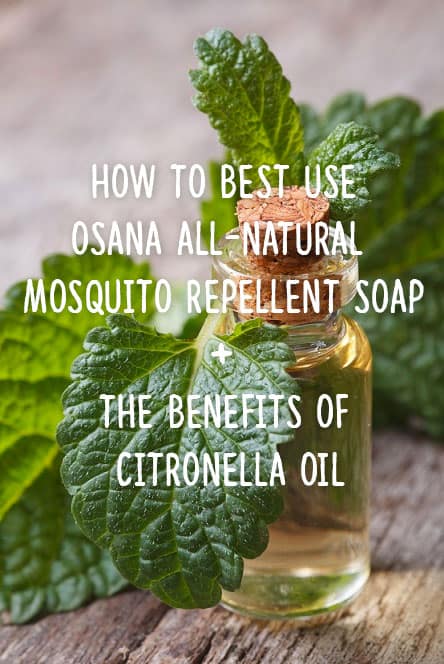
Spraying chemical bug sprays on your skin can be very irritating, sticky, and usually comes with an unpleasant smell that sticks with you for days. That's why we decided to create an all natural mosquito repellent soap that uses ingredients such as citronella oil, menthol oil and coconut oil. Learn more about our soap.
Benefits of Citronella Oil
Citronella Oil, one of the main ingredients in Osana's All Natural Mosquito Repellent Soap, has numerous uses and health benefits including:
- Antibacterial: Compounds in Citronella Oil kill bacteria and inhibit any further bacterial growth in the body. This is particularly helpful in treating infections in wounds.
- Antidepressant: This oil fights depression and gives relief from anxiety, sadness, and negative feelings. It induces a fresh, happy feeling and hope.
- Deodorant: The rich citrus or lemon-like aroma of this oil prevents body odor and is used in deodorants and body sprays.
- Oily Skin Treatment: Citronella oil is an astringent and may help with oily skin areas. Apply two or three drops of citronella oil to a cotton ball and gently wipe off the excess oil. Start with small amounts as this oil if very potent and may cause irritation to those with sensitive skin.
- Relieves muscle and joint pain: Citronella oil, possesses activating and warming qualities both physically and mentally. When citronella oil is diluted properly in a base oil and is applied to skin, it produces a mild sensation of warmth – which relieves painful muscles and joints.
With Osana, there is no spraying or toxic lotions involved, simply washing with the soap is all you need to keep mosquitoes away. For the absolute best results, Osana is most effective after 3 days of continual use.

Most people use Osana as their everyday body wash during the summer as it provides a great cleansing to the body, and you do not have to worry about bringing mosquito repellent with you everywhere they go. Using Osana soap, you get clean, protected from mosquitoes, and you are helping save a life.


References:
Organic Facts

5 Plants that Repel Mosquitoes and Fleas
Plants are incredibly powerful and can be used in countless ways in all areas of life. Planting one or more of the plants listed below around your house could not only make a beautiful landscape, but they could also keep mosquitoes and fleas far away.
5 Plants that Repel Mosquitoes and Fleas
- Lemon Balm
This plant repels mosquitoes by giving off a strong, incense-like odour, similar to citronella grass. Drinking lemon balm tea also has amazing benefits for healthy skin and a healthy digestive system. - Marigolds
Many gardeners use marigolds in their veggie gardens to repel other insects, but as a mosquito repellent, marigolds are powerful. Plant marigolds in containers as you normally would, but then place the containers anywhere in the garden where you want a mosquito-free zone. Potted marigolds can also be positioned near entrances to your home and any common mosquito entry points, such as open windows. - Basil
Basil is very easy to grow and mosquitoes hate smell. Not only is basal delicious, it also protects you from unwanted pests. For a quick, natural insect repellent in the garden, take a few basil leaves and rub them on your skin. The oils will repel any nearby mosquito that may be around. - Lavender
Mosquitoes and many other insects don’t like the smell of lavender. This makes lavender a perfect addition to any garden, especially considering how beautiful this plant is when it blooms. - Peppermint
Biting bugs don’t like the scent of peppermint. You can crush up the leaves and rub it on your skin to ward them off as well as planting them around your garden to keep away other pests. Peppermint also can also act as itch relief if a bite does slip in.
Bonus: Here are three ways to use the plants and herbs listed above to help keep mosquitoes away.
- Plants them around your house or garden.
- Look for these plants in the wild when you are hiking/camping to surround yourself with for mosquito and flea protection.
- Pick these herbs and plants and rub them on your body for natural, effective bug protection.

Climate Change: Something We Can All Agree On
As the Planet Gets Hotter with Climate Change, Will Mosquito Populations Grow?
While there is still some debate around the topic of climate change, most people now agree that there is at least a change happening across the globe. Whether you believe that this is due to mankind’s ecological footprint or simply to the cyclical behaviors of nature, it’s hard to deny that this change, in some regions, includes an overall increase in temperature. It is this aspect of climate change that is most inviting to one of the world’s most notorious insects: the mosquito.
According to Dr. Yogesh Shah, associate dean for global health at Des Moines University, a one-degree increase in temperature could give rise to a substantial increase in the mosquito population. This increase, though hard to scientifically pinpoint, could be as high as “almost eight- to 10-fold,” Dr. Shah said. The link between an increase in the number of mosquitoes buzzing around your yard, or the local park, and the number of mosquito-borne diseases is an obvious one. With more mosquitoes flying through the air the chances are higher that one will bite you, and the higher the chance that that particular mosquito might be infected.
Mosquito Control and Protection
Historically speaking, mosquito-borne diseases have detrimental not only a global level, but on a national one, too. In the United States the West Nile virus is currently the most common mosquito-borne illness. It was first reported in 1990, but by 2011, at about the same time that first mosquito was of legal drinking age, there were approximately 700 cases. In 2012 more than 5,600 cases of the virus were documented within the contiguous 48 states.
Many Americans are aware of the fact that mosquitoes prefer stagnant water as their breeding ground, and therefore take precautions to eliminate any standing water from their property. Given the forecasted increase in the mosquito population in the coming months and years, this is an increasingly important and effective method of population control. Another action that individuals can take to prevent the presence of mosquitoes around their home is to maintain the vegetation on the property. Adult mosquitoes often choose overgrown weeds, shrubs, and even grass as a resting spot. Keeping the vegetation growth under control can be an effective way of keeping mosquitoes away from your home and family.

Osana Has Been Acquired to Help More People In Need
As you may or may not have heard we (Osana) have been acquired by our favorite Denver Tech company Never Settle! Never Settle is an IT and web development firm that leverages technology to positively impact the world. This might seem like a strange match at first glance, since Osana is a company that produces and markets an all natural mosquito repellent soap through a get for personal use and give to those in need business model. After all, there are few (if any) direct correlations between web solutions and personal hygiene, but that is just the surface of the relationship.
Osana was founded by four guys (Shaul Hagen, Kenn Kelly, Zak Ferry, Dave Tscholl) in Denver who had a vision to help reduce malaria and sanitation based illnesses around the world, especially in areas where basic sanitation and natural prevention can make a huge impact. Shaul Hagen and Kenn Kelly, two of the original Osana founders, also own two-thirds of Never Settle. Andrew Lundquist, the other third owner of Never Settle, helped name Osana at its inception as a mutual friend of all the original Osana founders. The name actually means “Save Now” in many African dialects, which is very fitting because Africa has more malaria and sanitation based deaths than any other continent in the world.
In addition to the overlap in founders, the primary reason Never Settle took Osana under its wing is much more foundational: Osana’s core values align perfectly with Never Settle’s identity and mission. Never Settle firmly abides by the maxim projected in its name. It is a company deeply devoted to higher standards in both its technology products and services as well as in using its resources and experience to generate positive momentum towards solving significant world problems.
Likewise, we have been focused on identical aims since our beginning. Based on the same buy & give model that was pioneered by companies like Tom’s, we aim to tackle the challenge of preventing malaria by providing all natural anti-mosquito soap to individuals in need. This effort commonly benefits those residing in the countries of the global South where malaria, other mosquito-borne diseases, and deaths related to a lack of sanitation are the most prevalent.
A child dies every minute from malaria and 300 million people get infected with this disease each year. Never Settle acquired us with a vision for injecting new technology accelerators into our marketing and distribution efforts to help change that statistic. By increasing awareness and expanding our reach, Osana donations to particularly vulnerable regions around the world will also increase. You can be part of the solution, as you know we donate 1 bar of natural mosquito repellent soap to those in need for every 4 bars sold, which you can also track on our site here.
As part of the Osana acquisition, to raise awareness, and to drive additional donations Never Settle is currently offering a 20% discount to all new customers for the beginning of July as mosquito season starts to ramp up in North America and other regions. Simply enter coupon code NSWELCOME at checkout to get your 20% off while it lasts!
Toxic Ingredients in Soaps and Lotions + What They Do to Your Body
The Danger
Over the last 50 years our environment has been soaked with an unbelievable load of hazardous chemicals, metals, & pollutants like never before in history.
Researchers estimate through various studies that the average person living today is carrying a minimum of 700 known toxins in their blood, skin, fat tissue, brain tissue, liver, digestive and other organ systems. The most toxic agents are found in household cleaning agents, personal hygiene products, lawn care products, food, and water.
The chemicals found in most personal hygiene products have been linked to serious disease and imbalances in the body including cancer, infertility, and sever depression.
It is so important to know the ingredients that are in the products you apply to your skin because they get directly absorbed into your bloodstream and create toxicity within the body.
Numerous countries have taken notice of the side effects of these ingredients and have outright banned them. The scary part is that America is NOT one of those countries taking care, and millions are using these toxic products every single day.
The following ingredients have been shown to have a toxic effect on the body that may manifest in unusual ways. Some have even become illegal or not proven safe in other countries, and you may be filling your bloodstream with them every single day. Check out this list from Organic Beauty Talk to see if your personal care products have these toxins in them. . . .
Toxic Ingredients Found in Perfumes, Soap, and Lotions
Alcohol, Isopropyl (SD-40):
- A very drying and irritating solvent and dehydrator that strips your skin’s moisture and natural immune barrier, making you more vulnerable to bacteria, molds and viruses.
- It is made from propylene, a petroleum derivative and is found in many skin and hair products, fragrance, antibacterial hand washes as well as shellac and antifreeze.
- It can act as a “carrier” accelerating the penetration of other harmful chemicals into your skin.
- It may promote brown spots and premature aging of skin. A Consumer’s Dictionary of Cosmetic Ingredients says it may cause headaches, flushing, dizziness, mental depression, nausea, vomiting, narcosis, anesthesia, and coma. Fatal ingested dose is one ounce or less.
DEA (diethanolamine), MEA (Monoethanolamine) & TEA (triethanolamine):
- Hormone-disrupting chemicals that can form cancer-causing nitrates and nitrosamines. These chemicals are already restricted in Europe due to known carcinogenic effects. In the United States however, they are still used despite the fact that Americans may be exposed to them 10-20 times per day with products such as shampoos, shaving creams and bubble baths.
- Dr. Samuel Epstein (Professor of Environmental Health at the University of Illinois) says that repeated skin applications of DEA-based detergents resulted in major increase in incidence of liver and kidney cancer. The FDA’s John Bailey says this is especially important since “the risk equation changes significantly for children”.
DMDM Hydantoin & Urea (Imidazolidinyl):
- Just two of many preservatives that often release formaldehyde which may cause joint pain, skin reactions, allergies, depression, headaches, chest pains, ear infections, chronic fatigue, dizziness, and loss of sleep.
- Exposure may also irritate the respiratory system, trigger heart palpitations or asthma, and aggravate coughs and colds. Other possible side effects include weakening the immune system and cancer.
Fragrances:
- Mostly synthetic ingredients can indicate the presence of up to four thousand separate ingredients, many toxic or carcinogenic.
- Symptoms reported to the FDA include headaches, dizziness, allergic rashes, skin discoloration, violent coughing and vomiting, and skin irritation. Clinical observation proves fragrances can affect the central nervous system, causing depression, hyperactivity, irritability, inability to cope, and other behavioral changes.
- Alternative – Organic Essential Oils.
Polyethylene Glycol (PEG):
- Potentially carcinogenic petroleum ingredient that can alter and reduce the skin’s natural moisture factor. This could increase the appearance of aging and leave you more vulnerable to bacteria.
- Used in cleansers to dissolve oil and grease. It adjusts the melting point and thickens products. Also used in caustic spray-on oven cleaners.
Propylene Glycol (PG) and Butylene Glycol:
- Gaseous hydrocarbons which in a liquid state act as “surfactant” (wetting agents and solvents). They easily penetrate the skin and can weaken protein and cellular structure.
- PG is strong enough to remove barnacles from boats!
- The EPA considers PG so toxic that it requires workers to wear protective gloves, clothing and goggles and to dispose of any PG solutions by burying them in the ground.
- Because PG penetrates the skin so quickly, the EPA warns against skin contact to prevent consequences such as brain, liver, and kidney abnormalities. But there isn’t even a warning label on products such as stick deodorants, where the concentration is greater than in most industrial applications.
Sodium Lauryl Sulfate (SLS) & Sodium Laureth Sulfate (SLES):
- Detergents and surfactants that pose serious health threats. Used in car washes, garage floor cleaners and engine degreasers – and in 90% of personal-care products that foam.
- Animals exposed to SLS experience eye damage, depression, labored breathing, diarrhea, severe skin irritation, and even death. Young eyes may not develop properly if exposed to SLS because proteins are dissolved.
- SLS may also damage the skin's immune system by causing layers to separate and inflame. When combined with other chemicals, SLS can be transformed into nitrosamines, a potent class of carcinogens. Your body may retain the SLS for up to five days, during which time it may enter and maintain residual levels in the heart, liver, the lungs, and the brain.
Triclosan:
- A synthetic “antibacterial” ingredient – with a chemical structure similar to Agent Orange! The EPA registers it as a pesticide, giving it high scores as a risk to both human health and the environment.
- It is classified as a chlorophenol, a class of chemicals suspected of causing cancer in humans.
- Its manufacturing process may produce dioxin, a powerful hormone-disrupting chemical with toxic effects measured in the parts per trillion; that is only one drop in 300 Olympic-size swimming pools!
- Hormone disruptors pose enormous long-term chronic health risks by interfering with the way hormones perform, such as changing genetic material, decreasing fertility and sexual function, and fostering birth defects.
- It can temporarily deactivate sensory nerve endings, so contact with it often causes little or no pain. Internally, it can lead to cold sweats, circulatory collapse, and convulsions. Stored in body fat, it can accumulate to toxic levels, damaging the liver, kidneys and lungs and can cause paralysis, suppression of immune function,brain hemorrhages, and heart problems.
- Tufts University School of Medicine says that triclosan is capable of forcing the emergence of “superbugs” that it cannot kill. Its widespread use in popular antibacterial cleaners, toothpastes and household products may have nightmare implications for our future.
Parabens
- Parabens are preservatives in lotions, shampoos and all kinds of other cosmetics
- After intricate testing, Denmark first made the decision to ban all parabens in products made for young children in 2010.
- In 2012, the rest of the EU announced it was following that decision.
- Parabens are absorbed into the bloodstream and have been shown to lead to hormonal disruption.
- Parabens have also been linked to breast cancer.
Osana All Natural Soap does not include any of these ingredients.

15 Uses for Tea Tree Oil
Tea tree oil is one of natures miracles. It has such a diversity of usefulness and is so convenient for almost all situations. Cleaning, camping, fist aid, mosquito prevention, disease prevention... the list can go on and on. Many have become very dependent on this med kit in a bottle. Tea tree oil is the perfect addition to any medicine cabinet, fist aide kit, and even skin care routine.

What is Tea Tree Oil?
Tea Tree is an essential oil that is extracted from a plant native to Australia and cannot be found naturally occurring elsewhere. This amazing oil has been around for quite some time, but in the last decade people have really taken an interest in natural prevention and have experienced the incredible healing and cleansing benefits of this oil in particular.
The indigenous people of eastern Australia are believed to have used tea trees as a traditional medicine for many years in a variety of ways. They would inhale the oil from the crushed leaves or brew the leaves into a tea to treat coughs and colds. They would also apply the leaves on wounds as well as brewing the leaves to make a tea to apply on the skin for minor wounds, abrasions and insect bites and stings.
Benefits of Tea Tree Oil
As far as essential oils go, tea tree goes beyond the ordinary. Any issue related to the skin, tea tree is usually the solution.
- Antiseptic
- Anti-fungal
- Antibiotic
- Antibacterial
- Soothes inflammation
- Fights infection
15 Uses for Tea Tree Oil
- Cuts and Abrasions: Apply a few drops of the oil directly to the clean but. You may also place a few drops of the oil on a cotton ball, then lay it face down on the wound with a bandage on top.
- Pest Control: Household ants and other pests dislike Tea Tree Oil. Wipe cupboards out with an oil and water solution to keep pests away.
- Cold Sores: Apply a drop or two of oil directly to the sore with a cotton swab.
- Aromatherapy Healing: Use a drop or two of the oil on a warm washcloth and inhale to treat colds, viruses, coughs, sunburn, toothaches, or problems caused by bacteria.
- Laundry detergent: Add 3-4 drops of oil to your detergent for mold-prone items like wool. Tea tree oil is a powerful mold fighter.
- Kills Bad Breath: Swish some tea tree oil and water in your mouth for a fresh and clean taste while killing bacteria in your mouth.
- Tick Removal: Place a few drops directly on the area and the tick will pull away.
- Acne: Add a few drops to your face wash or apply directly to the problem area as a spot treatment.
- Mosquito Repellent and Relief: Tea tree oil is amazing at preventing bug bites as well as treating bites that may have slipped in. Apply oil directly to affected area for immediate relief. Most insect repellents are highly toxic so tea tree oil provides a highly effective alternative.
- Bruises, Blisters, Eczema: Pretty much any skin issue you can think of, tea tree oil will provide powerful healing.
- Scalp Treatment: Mix a few drops into your shampoo to break up product buildup and oil.
- Multi-Purpose Cleaner: Add one teaspoon of pure oil to a little over a gallon of water. Is great for windows, floors, tile and kitchen surfaces the thorough, chemical-free clean.
- Toothbrush Cleaner: Add a drop of Tea Tree Oil to your toothbrush to keep it clean and help ward off germs and bacteria.
- Hand Sanitizer: Mix 1 teaspoon Witch Hazel, 1 Cup Aloe Vera gel, and 3 drops Tea Tree oil for a chemical free hand sanitizer that really works!
- Earaches: Rub two or three drops of the oil on the outer ear.
Why Osana Cares About Tea Tree Oil
Osana is passionate about preventing mosquito bites that are not only uncomfortable, but that may also lead to viruses like zika, dengue, and malaria. We are also passionate about all natural, non-toxic protection that is effective and safe for the entire body. There are many natural solutions like tea tree oil, including Osana all natural mosquito repellant soap made with coconut oil, and citronella that can keep you safe all summer long!
Try using tea tree oil along with Osanabar for the ultimate protection camping, hiking, golfing, traveling, and everyday use!
References
National Center for Complementary and Alternative Medicine

The Reality of Malaria
The Reality
Many people have heard of malaria, yet many also do not know how serious of an issue it has become. A child dies EVERY MINUTE from malaria. That means 1,300 kids lose their lives to a mosquito bite every day. In countries all over the world, malaria is stealing lives, creating poverty, and spreading rapidly.
- Over one million people die from malaria each year, mostly children under the age of five.
- There were an estimated 300 million malaria cases worldwide in 2012, mostly pregnant women and children.
- Malaria is causing lasting learning disabilities in children and keeps more children out of school than any other disease.
- Malaria is also a major cause of poverty. What people need to know is that prevention is an important part of poverty alleviation.
- 40 % of the world’s population live in areas with malaria risk. 90% of these cases take place in Africa.
- A family that has been hit with malaria spends an average of over one quarter of its income on treatment.
- According to the Center for Disease Control and Prevention, “2,000 cases of malaria were diagnosed and treated in the United States in 2011.”
The Problem
Not only is Malaria killing millions around the world, it is also causing economic crisis in counties like Africa. Another problem is that in parts of the world, mosquitoes that carry malaria have developed resistance to insecticides. In addition, the parasites have developed resistance to some antibiotics. These conditions have led to difficulty in controlling both the rate of infection and spread of this disease.
- Commonly used treatments are rapidly loosing their effectiveness in many places in Africa.
- The use of bed-nets can dramatically reduce cases, yet fewer than 2 % of African children sleep under a net.
- Many countries do not have access to basic hygene products that could also dramatically reduce the amount of cases.
- In lost GDP, Malaria has been estimated to cost Africa more than US$ 12 billion every year. The reality is that it could be controlled for a fraction of that sum.
The Truth: Malaria is Preventable, Treatable and Curable
The good news is, there are multiple methods to control this deadly virus that cost very little and are highly effective.
- Education: Teaching families and communities about prevention, recognition, and appropriate treatment of malaria is key to the success for malaria control.
- Prevention: The biggest opportunity to conquer malaria is prevention. Providing areas at high malaria risk with proper sanitation products, mosquito nets, and education on actions they can do to avoid bites has the potential to significantly lower malaria rates all over the world and save thousands of lives.
- Treatment: There are several treatments available that need to become more easily accessible. There are many organizations providing these parts of the world with Rapid-diagnostic tests (RDTs) which are expanding the world’s ability to confirm malaria cases in remote settings, ensuring that people get the right treatment when and where they need it. Artemisinin-based combination therapies (ACTs) are effective in treating malaria. The treatment costs just $1 and cures a child in one to three days.
Resources
http://www.cdc.gov/features/malaria/
http://www.unicef.org/media/media_20475.html
http://www.malarianomore.org/pages/the-challenge
Natural Prevention + Relief from Mosquito Bites
You enjoyed a beautiful evening out at a back yard BBQ, only to wake up and realize tiny mosquito bumps all over your body. For being so tiny, mosquitoes sure can put a huge damper on your life. The key is to know how to keep them away, and also how to treat a bite if one slips in.
There are over 3,000 different species of mosquitoes throughout the world, about 200 of which occur in the US. Learn how to not be a victim of the bite any longer. More mosquito FAQ here.
Common Things that Attract Mosquitoes
- Perfume and Scented Lotions: Fragrances are known to attract mosquitoes. Floral scents are especially attractive.
- Hot body temperature and sweat: Mosquitoes are attracted to heat as well as water for breeding purposes. Try staying as cool and dry as you can to avoid the attraction.
- Be aware that bananas may also attract. Dr. Janet Starr Hull says: "there's something about how your body processes the banana oil that attracts these female sugar-loving insects."
- Any form of light: Head lamp, light bulbs, flashlights.
Action Steps to Avoid Mosquito Bites:
- Staying inside around dawn and dusk.
- Make sure you drain all standing water around your area as mosquitoes require water to breed.
- Try to wear loose fitting clothes that are lite in color.
- Stay in the breeze. Mosquito can fly only eight m.p.h., so it doesn't take much to blow them away.
Powerful Natural Prevention
- Eat garlic: Mosquitoes are very sensitive to garlic and will stay away from skin and a body that is full of it.
- Cinnamon leaf oil: One study found it was more effective at killing mosquitoes than DEET
- Apply clear liquid vanilla extract mixed with olive oil to the skin.
- Wash with citronella soap,as well as put 100% pure citronella essential oil on your skin.
- Catnip oil: One study has shown this oil is 10 times more effective than DEET.
- Lavender essential oil is a natural and effective mosquito repellent.
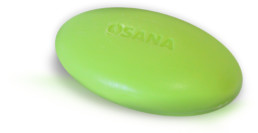
- Osana All Natural Mosquito Repellent
Naturally Soothing the Bites
Once these bites have taken over, the only desire you may have is to scratch, and scratch. . .yet scratching releases more histamines in the body, which makes the bite itch more. Try these remedies for relief and healing of the skin.
- Aloe vera: It contains over 130 active compounds and 34 amino acids that are beneficial to your skin.
- Tea Tree oil: Helpful for healing cuts, burns, infections and a multitude of other skin afflictions. It is also a good antimicrobial, including fungal infections
- Raw organic honey: An especially powerful variety is Manuka honey from New Zealand, made from bees that feed on flowers of the Manuka bush, also known as the "Tea Tree."
- Ice: A shock of cold therapy will provide relief for itching and keep you from swelling more
- Baking Soda: Create a paste of baking soda and water to relieve itching and inflammation.
References:
http://articles.mercola.com/sites/articles/archive/2013/07/22/insect-bite-treatment.aspx
http://www.huffingtonpost.com/2012/06/20/natural-mosquito-bite-treatment_n_1610186.html